


Shepherd and Hardies welcome six graduates in the northeast of Scotland

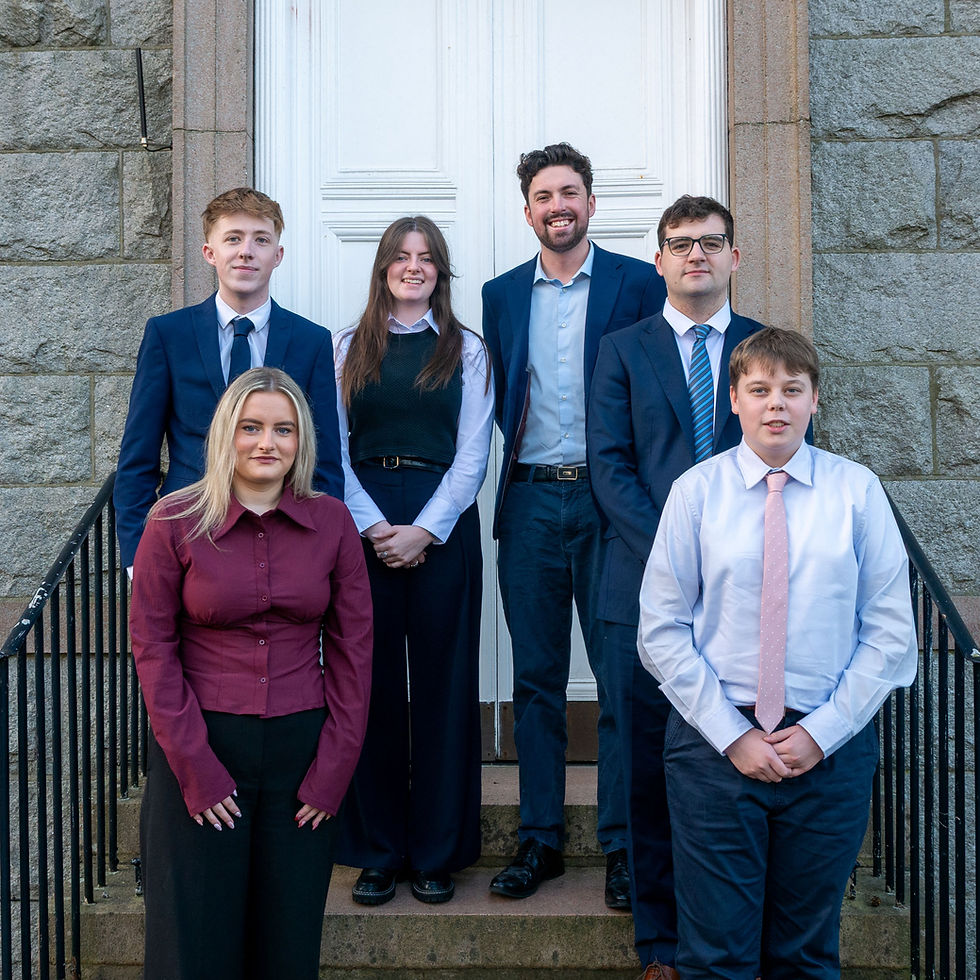
Shepherd and Hardies Chartered Surveyors have announced a record intake of graduates in the northeast of Scotland.
The national firm, which was established in 1880 and has 38 offices across the country from Inverness to London, has just appointed six new graduates in the northeast region.
Shepherd and Hardies’ graduate-training scheme has over 80 graduates currently training within the practice. They have graduates working across all disciplines and all locations.
Each graduate undertakes a structured training programme which prepares them for their RICS Assessment of Professional Competence which upon successful completion will gain them MRICS status.
The new intake in the northeast region are Thomas Chalmers, Abigail Cooper, Lilly Henderson, Euan Scott, Fraser Chalmers and Taylor George.
Commenting on the new appointments, Stuart Dunne, residential managing partner, said: “These young enthusiastic graduates are the future of our business, and we continue to commit to recruiting and nourishing the best talent.
“Each of these surveyors has already had an impact on our practice, bringing new ideas and energy to each of their departments with their keen interests and fresh inputs in technology and modernising surveying practices. As such, this cohort of surveyors represents the future chartered surveyors, associates and partners of this firm.”
Chris Grinyer, commercial managing partner, added: “While the surveying profession is evolving, with increasing regulation and challenges, our business remains very much people focused with ‘boots on the ground’ serving local markets.
“These young surveyors are part of our graduate cohort who will meet these challenges and deliver professional services to our growing client base across the northeast of Scotland and beyond.
“As a partnership operating in challenging market conditions, graduate recruitment and succession are paramount to the future success of this firm and, as such, is an area to which we commit significant ongoing investment.”


Comments